Article 01 — Bed sheets
Thread count is not the whole story
A bigger number on the pack can mean a worse sheet. What the number counts, how it is inflated, and what to feel for instead.
Thread count is the number of threads in one square inch of cloth: the ones running the length of the sheet and the ones running across it, added together. It is a real measure. More threads in the same inch make a denser cloth, and up to a point a denser cloth is smoother and lasts longer.
The trouble starts past that point. A loom can only fit so many threads of a given fineness into an inch. To print a larger number, some makers twist two or three thin threads together and count each strand on its own. A sheet woven with 300 of those twisted threads is sold as 600, or 900. It is heavier and stiffer than the number suggests, it sleeps warmer, and it is often spun from short fibre, because short fibre is cheap and the twist hides it.
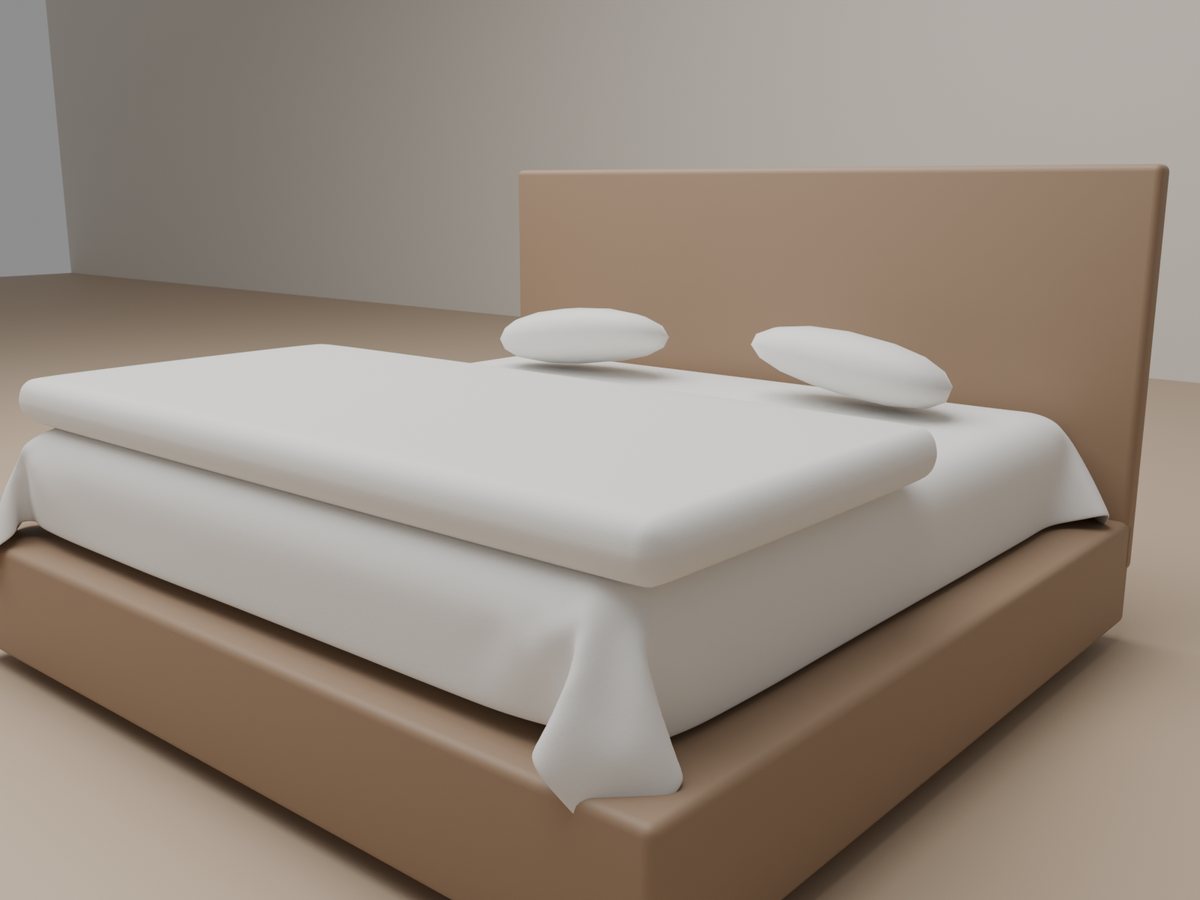
What the number leaves out
The number says nothing about the Cotton. A long fibre — the length of each fibre before it is spun — makes a finer, stronger yarn with fewer ends working loose. That is what keeps a sheet smooth after its fourth wash instead of pilling. A 300-count sheet of long-fibre Cotton will outlast, and outfeel, a 1,000-count sheet of short fibre.
It says nothing about the weave either. Percale is one thread over, one under: crisp, matte and cool. Sateen floats one thread over several: smoother, warmer, with a sheen, and a little quicker to snag. Neither is better. They are for different sleepers.
What to look for
Five checks you can make at any counter, in a minute.
Ask whether the count is single-ply.
If the seller does not know, or says multi-ply, halve the number in your head, or more. Somewhere between 200 and 400 single-ply is where most good sheets sit; Sateen can run a little higher.
Rub it between finger and thumb.
Long-fibre Cotton feels smooth, cool and a little dense. Short fibre feels fuzzy on the surface, and that fuzz is what becomes pills.
Hold it up to the light.
The weave should look even all over, with no thin streaks, and no thicker bars where the yarn changed.
Crush a corner in your fist for five seconds.
Every cotton creases, and that is fine. You are feeling for the finish: a sheet that crackles like paper has been starched stiff, one that feels slippery or waxy has been softened with silicone, and one that will not crease at all has been treated with a resin. All three hide the cloth underneath, and the first two wash out.
Look at the hem.
It should be turned twice, so no raw edge shows, with small, straight, close stitches. The hem is where a sheet gives out first.
Ask the seller
SKYDROTo take to the shop
Thread count is not the whole story
Look for
Ask
Tick them off at the counter — ours, or anyone's.
What we do
We choose the weave and the weight for the job: Percale in pure Cotton from 210 to 400 threads to the square inch, and 500 to 1000 for luxury and premium properties — ask us whether a count is single-ply or multi-ply, and we will tell you. Sateen is Polycotton, weighed rather than counted: 90 to 250 GSM. If you would like to see the difference, ask for a quote: free swatches of the fabric and shade are sent once your order is finalised. Wash a sample once, then judge it. The bed sheets page has the rest.
Ask our team
Something this article did not answer?
Read next
- 02Five things to check on a towel before you pay(SAMPLE)A towel is judged wet, but you buy it dry. Five checks that tell you in the shop how it will behave at home.
- 06Measure the mattress, not the label(SAMPLE)A fitted sheet that is too shallow springs off at the corners; one that is too deep wrinkles and slides. Three measures to take before you buy.
- 04Will the colour last? Two tests at the counter(SAMPLE)Some dyes stay in the cloth. Some leave with the first wash, on your hands, or in the sun. Two tests you can do in the shop, and one at home.
Made by the house
Our bed sheets